
Do Over-the-Counter Supplements Help Anxiety?
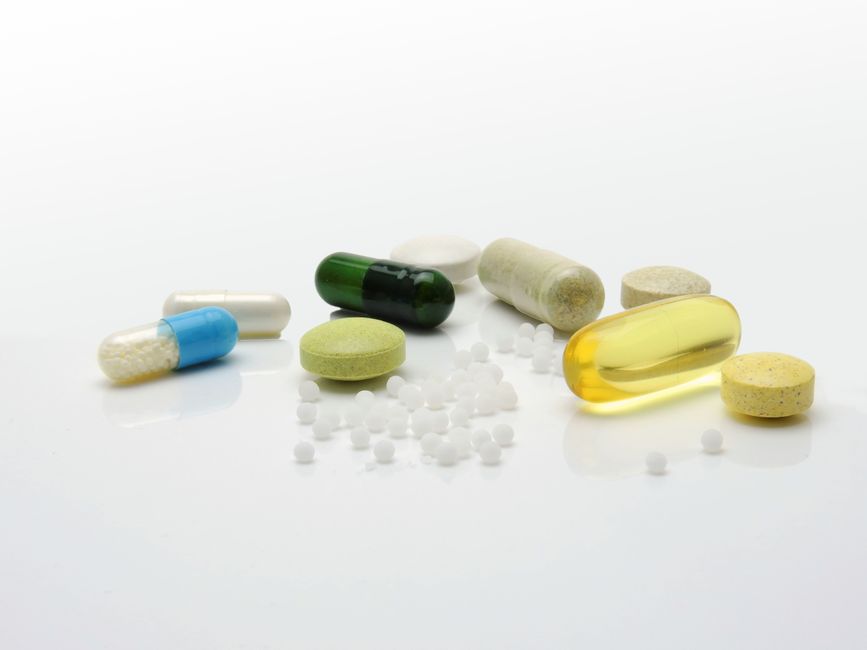
Some supplements have been studied for specific situations, but evidence that over-the-counter products reliably ease everyday anxiety is limited. A small trial found L-theanine did not outperform placebo for generalized anxiety disorder, and evidence for ashwagandha remains unclear. Supplements can cause side effects and interact with medicines, so product quality, health conditions, and current medications matter.
Are there any over-the-counter products that actually help anxiety?
Some products show evidence in narrow settings, but that does not establish that they treat everyday anxiety. The National Center for Complementary and Integrative Health (NCCIH) says evidence for many complementary approaches is limited. For melatonin, findings from 18 studies suggest it probably reduces anxiety before surgery. That is a specific setting, not proof that it eases anxiety in daily life.
The setting matters. A result before surgery cannot be carried over to ongoing anxiety, and a finding for one preparation does not establish that other products with the same broad label work. The evidence needs to match the product, the people studied, and the situation in which someone plans to use it.
Product labels add another uncertainty. The NIH Office of Dietary Supplements explains that U.S. law does not require supplements to be standardized, and the term “standardized” has no legal or regulatory definition for supplements in the United States. The word on a label does not prove high quality. Independent quality seals can indicate that a product was manufactured appropriately and contains listed ingredients without harmful contaminant levels, but they do not guarantee safety or effectiveness.
That makes comparisons difficult. Two products sold for anxiety can differ in ingredients, preparations, and quality, while a label alone may not tell a buyer how much confidence to place in the product. A seal offers a limited quality signal, not evidence that the supplement works for anxiety.
Does L-theanine or ashwagandha reduce anxiety?
Evidence does not establish that either ingredient reliably reduces anxiety. In a double-blind, placebo-controlled trial published in 2019, researchers studied 46 people with generalized anxiety disorder who were taking stable antidepressants. Participants received L-theanine or placebo during an eight-week treatment period; the trial found no advantage for L-theanine in anxiety reduction or insomnia severity.
The study authors concluded that this preliminary trial did not support L-theanine’s efficacy for anxiety symptoms in generalized anxiety disorder. A study of this size and design answers a bounded question; it does not establish how every product or population will respond. It does mean the trial should not be presented as evidence that L-theanine works for anxiety.
For ashwagandha, NCCIH says evidence is unclear about its effects on anxiety, although some preparations may help with stress and insomnia. Those are not interchangeable claims. Evidence about stress or insomnia does not by itself show that an ingredient treats an anxiety disorder.
Safety also shapes the answer. NCCIH reports drowsiness, stomach upset, diarrhea, and vomiting among ashwagandha’s possible side effects, and rare cases of liver injury have been linked to supplements. Short-term use has been described as potentially safe for up to three months, but long-term safety is not established. These points do not settle the benefit question; they show why a possible effect and a safe choice are separate questions.
Can anxiety supplements interact with antidepressants or other medications?
Yes. Supplements can change how a medicine is absorbed or how well it works, and combinations can lead to too much or too little medication. The FDA advises checking with a health professional, including a pharmacist, before using supplements, especially when medicines or planned surgery and lab tests are involved.
St. John’s wort is one example: the FDA says it can reduce the effectiveness of some medicines, including medicines for depression, heart disease, cancer, HIV, seizures, and birth control. The interaction risk is not limited to products marketed for anxiety. A supplement’s name or “natural” label does not tell you how it will combine with a prescription.
Ashwagandha also has specific interaction concerns. NCCIH says it may interact with diabetes and blood-pressure medicines, immunosuppressants, sedatives, anticonvulsants, and thyroid hormone medication. It is not recommended for some groups, including people with thyroid or autoimmune disorders. Health status, pregnancy, and other medicines or supplements also affect safety, according to NCCIH.
The FDA does not approve dietary supplements for safety and effectiveness before they are sold. It identifies combining supplements, mixing them with medicines, taking excessive doses, and substituting them for medicines as situations where problems can occur. Bring the exact product label to a pharmacist or clinician and ask about ingredients, interactions, side effects, underlying conditions, and any upcoming procedure or lab test. That conversation is more useful than relying on a broad marketing claim.
Frequently Asked Questions
Are herbal anxiety remedies safer than prescription medication?
Not by default. “Natural” does not always mean safe, and herbal products can cause side effects or interact with medicines. The risks depend on the ingredient, product, health conditions, and other medicines or supplements.
What should I ask a pharmacist before trying a supplement for anxiety?
Share the product label and ask whether its ingredients can interact with your medicines or affect a health condition, surgery, or lab test. Ask whether the evidence applies to anxiety, how product quality can be checked, and what side effects call for medical advice.
Sources
- National Center for Complementary and Integrative Health: Anxiety and Complementary Health Approaches
- National Center for Complementary and Integrative Health: Ashwagandha
- PubMed: L-theanine trial for generalized anxiety disorder
- U.S. Food and Drug Administration: FDA 101—Dietary Supplements
- NIH Office of Dietary Supplements: Botanical Dietary Supplements
- U.S. Food and Drug Administration: Mixing Medications and Dietary Supplements Can Endanger Your Health
Disclaimer: This article is for general information only and is not medical advice. It is not a substitute for diagnosis or treatment by a qualified healthcare professional. Always speak to your doctor before acting on anything you read here.
You may also like

How Can You Tell Normal Aging From Memory or Mood Problems?
Learn which memory and mood changes can come with age, when to seek an evaluation, and which habits support brain health.

What Should I Do If My Depression Treatment Isn’t Working?
Learn how clinicians assess an inadequate depression treatment response and discuss evidence-based next steps, from switching treatments to brain stimulation.
How Can I Break the Anxiety-Insomnia Cycle Without Relying Only on Medication?
A practical, evidence-informed guide to CBT-I, sleep habits, medication questions, and when anxiety-related insomnia needs clinical support.
How Do I Choose Between CBT, Exposure Therapy, ACT, and Other Anxiety Therapies?
A practical guide to choosing CBT, exposure therapy, ACT, or another therapy approach for anxiety based on symptoms, goals, and treatment fit.