
What Are 5 Ways to Overcome Depression?

Five ways to overcome depression symptoms are to restart manageable activities, set small priorities, keep regular sleep and meal times, add movement, and reach out to trusted people. These steps can support wellbeing, but they do not replace professional care. Severe symptoms lasting two weeks or more, or symptoms disrupting daily life, are reasons to seek help from a health care or mental health professional.
What are five practical ways to overcome depression?
Five practical approaches are gradual activity, small goals, regular sleep and meals, movement, and contact with trusted people. The National Institute of Mental Health (NIMH) recommends trying activities you used to enjoy, keeping regular sleep and wake times, eating regular healthy meals, setting priorities, getting physical activity, and talking with trusted people.
- Return to one activity. Choose something you used to enjoy and make the first step modest. The aim is to place the activity back in the day, even if interest has not returned.
- Set a small priority. Choose one task that matters and decide what can wait. NIMH puts it plainly: “Do what you can as you can. Decide what must get done and what can wait.”
- Keep sleep and meals regular. A steady wake time and regular meals create useful anchors. If a full routine feels out of reach, focus on one anchor first, then build from it.
- Add movement. NICE says regular physical activity—including walking, jogging, swimming, dancing, or gardening—could help enhance wellbeing. A short walk or gentle gardening is a valid starting point; a demanding workout is not required to begin.
- Reach out. Tell a trusted person how you are doing, or ask for a small, specific kind of company. A brief message can be the first step when a conversation feels too hard.
These steps work best as a flexible plan, not a test of willpower. NICE describes behavioural activation as noticing links between activities and mood, planning practical changes, reducing avoidance, and re-engaging with activities. A review in the Cochrane Database of Systematic Reviews included 53 studies with 5,495 participants. Its moderate-certainty evidence found no clear short-term efficacy difference between behavioural activation and cognitive behavioural therapy in five trials with 601 participants; this does not establish that self-directed steps are equivalent to either treatment.
Depression can affect daily activities. NIMH describes major depression as involving symptoms such as low mood or loss of interest most of the time for at least two weeks, with effects on daily life. Treatment typically involves psychotherapy, medication, or both, with choices made with a health care or mental health professional. If symptoms persist or care is not helping, see What Should I Do If My Depression Treatment Isn’t Working?
What can I do when depression makes it hard to get started?
When depression makes it hard to get started, reduce the task until it has a clear first move. “Go for a walk” can become “put on shoes”; “clean the kitchen” can become “clear one surface.” A smaller step is not a lesser effort. It makes the plan usable on a low-energy day.
Choose a cue already in the day. After getting up, open the curtains; after a meal, step outside briefly; at a set time, send one message. Tie one action to one cue rather than building a full schedule at once. Keep the action small enough to repeat.
Make a short list with two parts: what must happen today and what can wait. This follows NIMH’s advice to set priorities without treating every task as equally urgent. If a planned action feels too large, shrink it; if it remains out of reach, choose another small action instead.
Missed days are information, not proof of failure. Resume with the next planned step, and adjust the plan to fit current energy. A routine that can bend is more useful than one that collapses after a missed day.
Can small daily activities really help with depression?
Small daily activities can support wellbeing and form part of a care plan, but they are not a guaranteed treatment or a substitute for clinical care. NICE recommends regular physical activity and notes that a healthy lifestyle, including a healthy diet, avoiding overuse of alcohol, and getting enough sleep, may help wellbeing.
NIMH offers self-care options for mild symptoms lasting less than two weeks, including regular exercise, healthy eating, seven to nine hours of sleep, time with loved ones, and low-stress enjoyable activities. For severe symptoms lasting two weeks or more—especially when daily tasks are disrupted—NIMH advises professional help. The duration and effect on daily life matter; self-help does not have to be an either-or choice with care.
Some people benefit from support that gives self-help more structure. NICE describes guided self-help using materials in approaches such as cognitive behavioural therapy, behavioural activation, problem-solving, or psychoeducation, with practitioner support; it usually involves six to eight regular sessions. A health care or mental health professional can help determine what fits. Antidepressants usually take four to eight weeks to work, according to NIMH; consult a health care provider before starting or stopping medication.
For thoughts of suicide or urges to self-harm, seek immediate help. NIMH advises calling or texting 988 in the United States, or calling 911 in a life-threatening situation. Self-care is a support, not a reason to delay urgent help.
Frequently Asked Questions
How can I make a routine when I have no motivation?
Start with one small action tied to a regular cue, such as getting up at a consistent time or eating a simple meal. NIMH recommends keeping regular sleep and wake times and setting priorities; make the plan smaller when energy is low.
When should I seek professional help instead of relying on self-help?
NIMH advises seeking professional help for severe symptoms lasting two weeks or more, especially when they disrupt tasks and activities. Thoughts of suicide or urges to self-harm call for immediate help: call or text 988 in the U.S., or call 911 in a life-threatening situation.
How do I start exercising or reconnecting with people when I feel depressed?
Set a low-demand first step, such as a short walk or a brief message to someone you trust, then repeat or adjust it as needed. NICE lists activities such as walking, swimming, dancing, and gardening, while NIMH recommends physical activity and talking with trusted people.
Sources
- National Institute of Mental Health — Depression
- National Institute of Mental Health — My Mental Health: Do I Need Help?
- National Institute for Health and Care Excellence — Depression in adults: treatment and management
- Cochrane Database of Systematic Reviews — Behavioural activation therapy for depression in adults
Disclaimer: This article is for general information only and is not medical advice. It is not a substitute for diagnosis or treatment by a qualified healthcare professional. Always speak to your doctor before acting on anything you read here.
You may also like
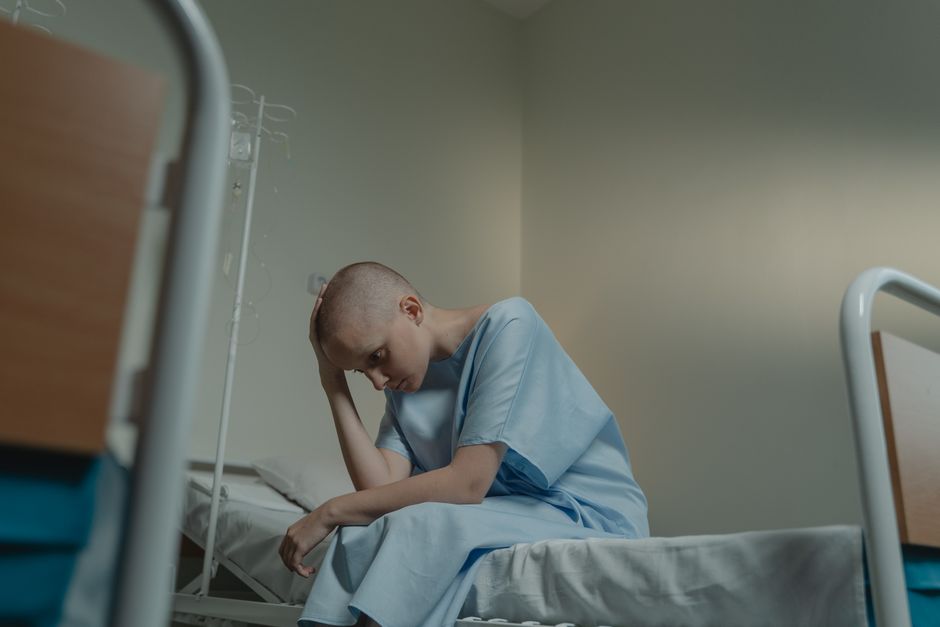
What Should I Do If My Depression Treatment Isn’t Working?
Learn how clinicians assess an inadequate depression treatment response and discuss evidence-based next steps, from switching treatments to brain stimulation.

How Can I Stop Anxiety From Making Me Avoid Daily Life?
A practical guide to breaking anxiety-driven avoidance with graded exposure steps, realistic examples, and guidance on when to seek support.
How Do I Choose Between CBT, Exposure Therapy, ACT, and Other Anxiety Therapies?
A practical guide to choosing CBT, exposure therapy, ACT, or another therapy approach for anxiety based on symptoms, goals, and treatment fit.

Do Over-the-Counter Supplements Help Anxiety?
Evidence for anxiety supplements is limited. Learn what studies say about L-theanine and ashwagandha, product quality, interactions, and pharmacist questions.