
What Changes in an Older Cat Need Veterinary Attention?
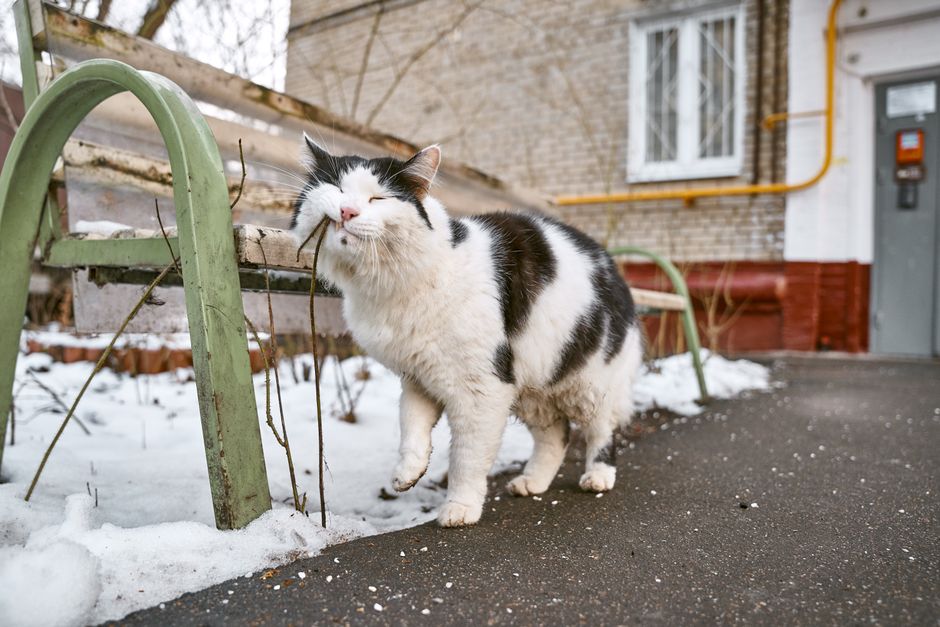
Slower movement and longer naps can come with age, but unexplained weight loss, increased thirst or urine, appetite change, litter-box accidents, pain, confusion, or trouble reaching food and water need veterinary attention. Track the change rather than judging one day. In older cats, several treatable illnesses can look like ordinary aging until weight, drinking, toileting, or behavior begins to shift.
Is weight loss normal in an older cat?
No. Unexplained weight loss in an older cat is a disease signal until a veterinarian finds another cause.
The 2021 American Association of Feline Practitioners guidelines say that unexplained trends in body weight, body-condition score, or muscle-condition score should be investigated and managed as disease. A small change on the scale can still matter in a small cat. The direction of change matters as much as the number.
Look beyond the bowl. A cat can leave food behind because eating hurts or because illness has reduced appetite. Cornell lists difficulty eating, vomiting, diarrhea, and weight loss among signs needing veterinary attention in senior cats. A dull coat, lethargy, and weight loss can also appear as chronic kidney disease progresses.
Normal aging is not a permission slip for decline. An old cat can sleep more and move with less ease. Losing body or muscle without a known reason belongs in the veterinary record.
| Change seen at home | What to record | Why it needs attention |
|---|---|---|
| Weight or body shape changes | Weight trend and visible muscle or body changes | AAFP advises investigation of unexplained weight, body-condition, and muscle-condition trends. |
| Food intake changes | How much is offered, eaten, and left behind | Difficulty eating and reduced appetite are listed senior-cat warning signs. |
| Water or urine changes | Water use and litter-box output | Kidney disease, diabetes, and hyperthyroidism can change thirst and urine production. |
| Movement or box access changes | Jumping, stairs, gait, and litter-box use | Arthritis can block access even when a cat does not visibly limp. |
Why is my senior cat drinking so much water?
Increased drinking in a senior cat needs veterinary attention, especially when it comes with more urine, weight loss, appetite change, or behavior change.
Cornell identifies chronic kidney disease as one of the most common diseases in older cats, affecting up to 40% of cats over 10 and up to 80% of cats over 15. Early disease can show no obvious signs. As kidneys lose the ability to concentrate urine, cats produce more urine and drink more water.
Cornell also identifies thirst and urination changes as common signs of diabetes and hyperthyroidism. The pattern does not name the disease on its own. It gives the veterinarian a clear reason to examine the cat and test for causes.
One threshold is useful at home. Cornell lists water intake exceeding one ounce per pound of body weight per day as a sign that warrants veterinary attention. Measure what goes into the bowl, account for refills, and note whether another pet shares the water source. A rough impression is less useful than a repeated record.
Blood pressure belongs in this conversation. AAFP recommends measuring it at every examination for cats older than 10. Cornell reports that about 60% of cats with chronic kidney disease also develop hypertension, which can cause sudden vision changes, disorientation, weakness, or heart problems.
Why is my old cat losing weight but still eating?
Weight loss despite a good or increased appetite is not normal aging and is a pattern that warrants prompt veterinary assessment.
According to Cornell's Feline Health Center, the two most common signs owners notice with feline diabetes are weight loss despite a good appetite and increased thirst and urination. Diabetes causes this pattern because the body's cells cannot use blood glucose, so the body breaks down fat and protein for energy.
Cornell's hyperthyroidism guidance names the same core cluster: weight loss, increased appetite, and increased thirst and urination. Vomiting, diarrhea, and hyperactivity also occur. Evaluation commonly includes a physical examination of the thyroid area, heart-rate and blood-pressure assessment, blood chemistry, and thyroid-hormone testing.
The overlap is the point. A hungry cat losing weight does not need a new food theory first. It needs an exam that separates diabetes, hyperthyroidism, kidney disease, and other causes.
What should I track and change at home?
Track a few repeatable observations, then make access easier without treating the changes as a diagnosis.
- Record weight, food offered, food eaten, water added, and litter-box output on the same simple schedule.
- Note vomiting, diarrhea, painful urination, accidents, staring, nighttime vocalizing, and shifts in sleep or behavior.
- Watch how the cat reaches food, water, beds, resting places, and litter boxes. Difficulty jumping or climbing is data.
- Place food, water, a bed, and a litter box where they can be reached without jumping or stairs.
- Keep litter boxes clean enough for increased urine volume. Kidney disease, diabetes, and hyperthyroidism can make a box soil faster.
Access is part of care. Cornell notes that arthritis often shows itself through trouble reaching food, water, or a litter box rather than an obvious limp. The same principle appears when people plan travel around mobility needs: remove the access barrier before calling the person uncooperative. Mobility planning for older travelers follows that plain rule.
Bring the record to the visit. For diabetic cats, Cornell includes daily water intake, urine production, appetite, body weight, and medication or insulin given in at-home monitoring. For any senior cat, those notes turn a vague concern into a useful timeline.
Frequently Asked Questions
How often should a senior cat see the vet?
The 2021 AAFP guidelines recommend examinations twice yearly for cats aged 10 to 15 and every four months for healthy cats older than 15. Cats with chronic illness need more frequent care, and baseline testing should occur at least yearly from ages 7 to 10, with more frequent assessment as cats age.
Is my cat's confusion or nighttime yowling a sign of aging?
Confusion and nighttime vocalizing occur with feline cognitive dysfunction, especially in cats aged 10 or older, but they are not automatically normal aging. Cornell states that hyperthyroidism, hypertension, kidney disease, arthritis, blindness, and painful dental disease can create similar changes, so those causes should be ruled out first.
What mobility changes in an older cat require a vet visit?
An abnormal gait, difficulty jumping, trouble using stairs, or difficulty reaching food, water, or the litter box require veterinary attention. Arthritis is common in older cats and often appears as an access problem rather than a clear limp.
Aging changes the baseline. It does not erase the signal.
Sources
- American Association of Feline Practitioners: 2021 Feline Senior Care Guidelines
- Cornell Feline Health Center: Chronic Kidney Disease
- Cornell Feline Health Center: Feline Diabetes
- Cornell Feline Health Center: Hyperthyroidism in Cats
- Cornell Feline Health Center: Cognitive Dysfunction
- Cornell Feline Health Center: Special Needs of the Senior Cat