
How Should I Prepare to Adopt a Dog From a Local Shelter?
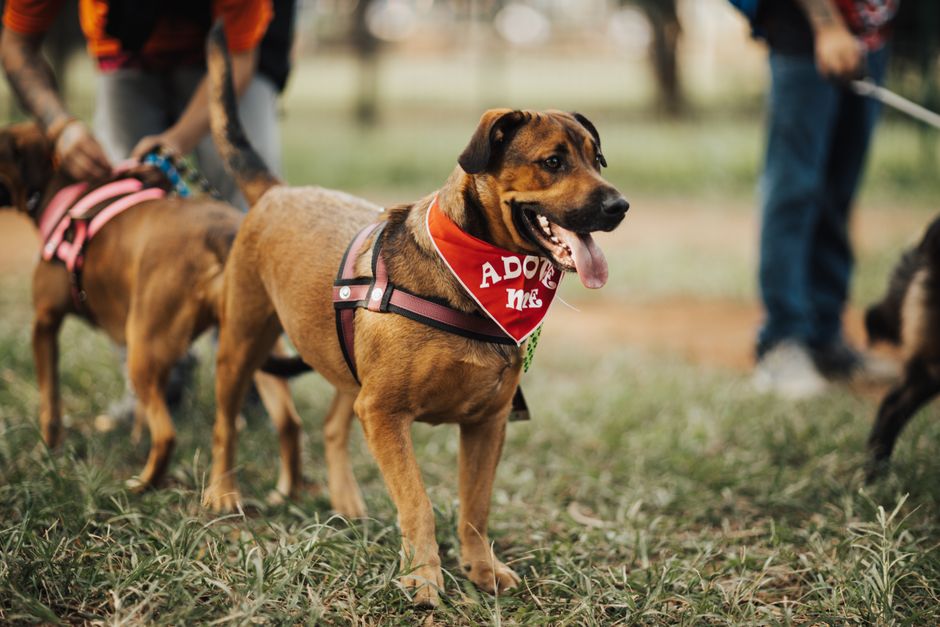
Prepare for a shelter dog by checking your housing rules, time, budget, household agreement, and plan for care before you visit. Then ask for the dog's history, behavior, health records, training needs, and return policy. Compare each answer with your real home life, not the dog you hope to bring home. A good match starts before the application.
What questions should I ask before adopting a dog from a shelter?
Ask questions that reveal how the dog fits your household, not only how the dog acts during a short visit.
The American Veterinary Medical Association says unfulfilled expectations are the primary reason dogs are surrendered to shelters. That makes the pre-visit check plain: confirm rental and local restrictions, exercise access, work hours, care during absences, existing pets, future housing plans, and access to veterinary care.
Put the household on the same page before an application asks you to do it under pressure. Name who handles walks, feeding, training, appointments, and care when everyone is away. A dog does not live in the best version of a household. A dog lives in its ordinary week.
At the shelter, ask direct questions:
- What is known about the dog's previous home, house-training, and time alone?
- What has staff observed around adults, children, dogs, cats, and handling?
- What exercise, training, and daily routine does the dog need?
- What behavior challenges has the shelter observed, and what support is available?
- What medical history, current treatment, and follow-up care are known?
- What is the return policy if the match fails?
The AVMA states that shelters and rescues should know each dog well enough to match its temperament and needs to an adopter's family. Ask for observed facts, not a label such as "easy" or "friendly." Ask what happened, in what setting, and how often.
Use the visit to watch, then use the questions to fill the gaps. A calm kennel moment is not a full history. A hard kennel moment is not one either.
Health deserves its own plan. A peer-reviewed Journal of the American Veterinary Medical Association study found that 1,361 of 2,624 responding adopters, or 51.9%, reported a health problem one week after adoption; respiratory tract disease was the most commonly reported problem. Request records, ask what has been treated or observed, and arrange a prompt veterinary visit after adoption.
What does a local shelter adoption application ask for?
A local shelter application commonly asks for identity, address, household details, and information that helps staff assess fit, though each organization sets its own rules.
The ASPCA reports nearly 5,000 animal shelters and more than 9,500 animal rescues in the United States. Their processes, fees, and timing differ. Some complete adoptions the same day. Others use applications, interviews, home checks, or a longer review.
The ASPCA Adoption Center's process offers a useful example: an online adoption survey, virtual and in-person meet and greets, a non-expired government-issued photo ID, and in some cases proof of current address. It also asks adopters to have the names of household members age 18 or older available.
An application is not a reservation. The ASPCA says an online application does not place a hold on an animal, and small-dog applications can take up to one week when staff see a potential fit. Check the local shelter's website before visiting. Ask whether it accepts walk-ins, requires an appointment, completes same-day adoptions, conducts a home check, or needs landlord approval.
Check the building policy first. The ASPCA specifically advises prospective adopters to confirm their building's pet-ownership policy before adoption. Paperwork cannot fix a rule that bars the dog from the home.
Daily care also changes a household's rhythm. If worry is already disrupting sleep, practical support for breaking the anxiety-insomnia cycle can help protect the rest that a new routine still requires.
How much does it cost to adopt a dog from a shelter?
Adoption fees vary by organization and location, so confirm the local fee and every required local charge before applying.
There is no single national shelter-dog fee in the provided sources. The ASPCA's NYC Adoption Center suggests a $150 adoption fee for all animals and adds a mandatory $8.50 NYC dog-license fee for dog adopters in the five boroughs. That is a local example, not a price promise for another shelter.
| Cost question | What the sources establish |
|---|---|
| Base adoption fee | Fees vary between organizations; the ASPCA NYC Adoption Center suggests $150 for all animals. |
| Local licensing | NYC dog adopters in the five boroughs face a mandatory $8.50 license fee in the ASPCA example. |
| Costs after adoption | The AVMA lists food, preventive and emergency veterinary care, grooming, boarding, licensing, identification, training, and accessories among ongoing costs. |
The fee is the opening cost, not the whole cost. Build the budget around the ordinary month and the hard month. Food and preventive care belong in the first. Emergency veterinary care belongs in the second.
Ask the shelter for its written fee, licensing requirement, payment rules, and any fee related to the individual dog. Clear numbers prevent a rushed decision at the counter.
What does an adoption fee usually include?
An adoption fee often helps cover veterinary care and may include vaccinations, spay or neuter surgery, microchipping, flea and tick treatment, and deworming, though the exact package differs by organization.
According to ASPCA adoption guidance, fees help pay for veterinary care, spay or neuter procedures, vaccinations, food, and continued care for other animals. The fee serves the dog going home and the animals still waiting.
Humane World for Animals lists vaccinations, spay or neuter surgery, microchipping, flea and tick treatment, and deworming as common inclusions. Common is not guaranteed. Request an itemized answer for the dog in front of you.
Ask for up-to-date health records, a receipt, and any local pet-purchase-protection acknowledgment that applies. The AVMA recommends that these records be supplied. Also ask which vaccines, parasite treatments, sterilization procedures, microchip details, and medications are complete, due, or unknown.
Bring home supplies before the dog arrives: food, bowls, a safe sleeping area, a leash, identification, and the shelter's medical paperwork. The ASPCA recommends a quiet dedicated space, pet-proofing, and no forced interactions with people or other pets during the first days. The first three days can be full of new sounds, smells, people, and animals.
Frequently Asked Questions
How can I tell whether a shelter dog will fit with my children or pets?
Ask the shelter what it knows about the dog's past experience living with children, dogs, cats, or other animals. Ask what staff have observed in current interactions, then use a controlled meet and greet when the shelter offers one. A kennel visit is one piece of information, not the whole match.
Should I bring my current dog for a meet and greet?
Ask the shelter whether it offers and recommends a meet and greet with resident dogs. The ASPCA lists virtual and in-person meet and greets as part of its example process, while policies differ across organizations. Follow the shelter's process and keep resident pets' toys separate during the first days at home.
What medical and behavior records should a shelter provide?
Request up-to-date health records, details of treatments and procedures, and the dog's known medical history. Also ask for what staff know about temperament, exercise, training, prior home life, and behavior around people and animals. The AVMA says shelters and rescues should know each dog well enough to match its temperament and needs to a family.
The right adoption does not begin with a fee or a photograph. It begins with a household that can give a clear answer to the dog's needs.