
What Is a 7 Day Meal Plan for Muscle Gain and Fat Loss?
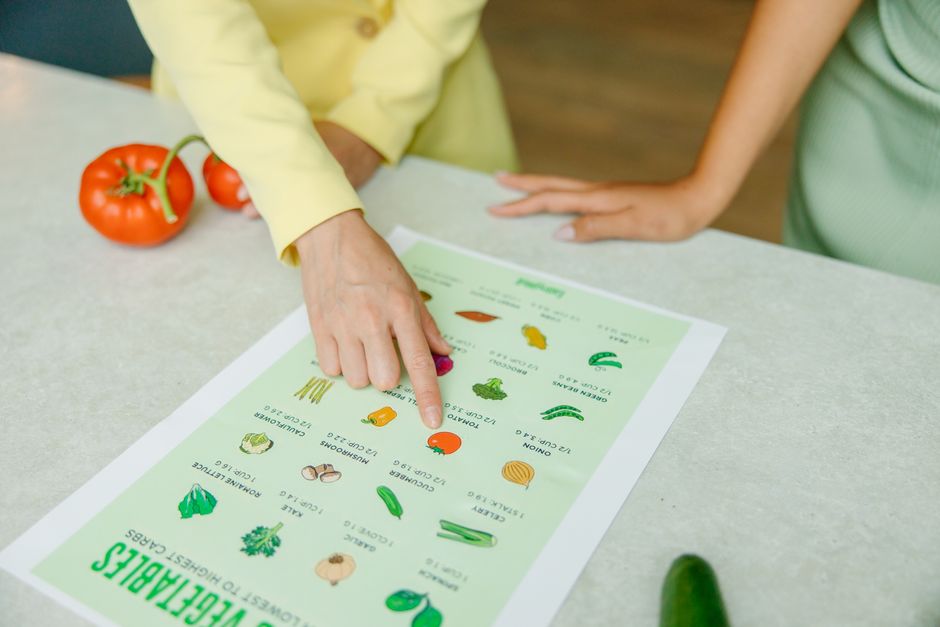
A 7 day meal plan for muscle gain and fat loss works best as a flexible template: include a protein food, vegetables or fruit, and a carbohydrate source at meals, then adjust portions to your body size, activity, and progress. Use the menu below as a starting point, not a fixed calorie prescription; calorie needs differ, and protein can come from affordable foods such as eggs, beans, lentils, and canned fish.
Which diet is best for fat loss and muscle gain?
The best fit is a sustainable eating pattern that supports resistance training, provides enough protein, and matches personal energy needs. The CDC’s healthy eating pattern includes vegetables, fruits, protein foods, dairy without added sugars, healthy fats, and whole grains. No single menu or calorie target fits every adult.
A review of 49 randomized trials involving 1,863 healthy adults found that protein supplementation during resistance training was associated with an average additional 0.30 kg of fat-free mass and 2.49 kg of greater one-repetition-maximum strength. The review found no further resistance-training-related fat-free-mass gain once total protein intake exceeded about 1.62 g per kg per day, though the estimate’s confidence interval was wide. These are group findings, not a guarantee for an individual.
Use a repeatable meal pattern rather than treating each day as a new diet. If planning ahead helps, see What Is a 7 Day Meal Prep for Weight Loss? for a related meal-prep guide.
How many calories and how much protein should I eat each day on this plan?
Your calorie needs depend on age, sex, height, weight, and activity level, according to the CDC. The evidence provided does not give a single calorie target for this plan, so the menu below uses flexible portions rather than prescribing a daily total.
For protein, the NIH Office of Dietary Supplements reports athlete needs of about 0.5–0.9 grams per pound of body weight daily. Its example for a 150-pound person is about 75–135 grams per day. The NIH also cites sports-science experts suggesting about 0.14 grams per pound per eating occasion, around 20 grams for that 150-pound example, every 3–5 hours. Those figures are athlete-oriented reference points, not a required target for every adult.
Morton and colleagues’ 2017 meta-analysis found no additional resistance-training-related fat-free-mass gains from protein supplementation above an estimated total intake of approximately 1.62 g/kg/day. A separate review of resistance-trained athletes proposed higher protein levels during a fat-loss phase; that athlete-specific context should not be treated as a universal adult need.
How do I adjust the meal portions for my body size and activity level?
Keep the menu shared and change the amounts. Start with a palm-sized serving of protein, a fist-sized portion of cooked grains or starchy vegetables, and vegetables or fruit; these are practical visual starting points, not research-derived measurements. If your appetite, body size, or activity calls for more food, add carbohydrate or protein portions. If less food fits your needs, reduce a carbohydrate portion while keeping a clear protein food in the meal.
The CDC recommends tracking nutrition, physical activity, sleep, and stress, then reviewing progress and revising goals. Compare patterns over several weeks rather than reacting to one weigh-in. The CDC’s general gradual weight-loss rate of 1–2 pounds per week is not a body-recomposition target for every person.
Use this seven-day menu as a mix-and-match framework:
| Day | Breakfast | Lunch | Dinner | Snack or add-on |
|---|---|---|---|---|
| 1 | Oats with milk, fruit, and peanuts | Chicken, rice, and vegetables | Bean chilli with baked potato | Egg and fruit |
| 2 | Eggs, whole-grain toast, and fruit | Lentil soup with bread | Canned fish, pasta, and vegetables | Milk or yogurt |
| 3 | Oats with milk and fruit | Bean-and-rice bowl with vegetables | Chicken, potatoes, and vegetables | Peanuts and fruit |
| 4 | Eggs with toast and fruit | Leftover bean chilli with rice | Lentil pasta sauce with whole-grain pasta | Milk |
| 5 | Milk, oats, and peanuts | Canned fish with baked potato and vegetables | Bean stew with rice | Egg or fruit |
| 6 | Eggs, potatoes, and fruit | Chicken-and-bean wrap with vegetables | Frozen fish, rice, and vegetables | Milk or yogurt |
| 7 | Oats with milk and fruit | Lentil soup with toast | Vegetarian chilli with rice | Peanuts or an egg |
For a budget shop, build the list around oats, rice, pasta, potatoes, eggs, milk, dried or canned beans and lentils, canned fish, frozen vegetables, and seasonal or frozen fruit. The British Nutrition Foundation recommends planning meals and shopping lists, comparing unit prices, choosing store brands, and stretching meat dishes with beans or lentils. These swaps keep the structure while changing cost and preference.
Can I use this meal plan if I’m a woman or a man?
Yes. The same meals can work for women and men; adjust portions to individual energy needs, body size, activity, and progress rather than using separate menus by sex. The CDC includes sex among the factors that shape calorie needs, alongside age, height, weight, and activity.
Protein options are not gender-specific. The CDC lists seafood, meat, poultry, eggs, legumes, soy products, nuts, and seeds as protein foods. Choose among them based on budget, preference, access, and dietary needs. Medical conditions, medicines, stress, hormones, age, genes, and environment can also affect weight management, according to the CDC.
Training does not require a narrow eating window or a special drink. The athlete-focused fat-loss review says carbohydrate intake should adapt to activity and training performance, and that meal timing should support the training plan. Put a meal or snack where it helps you train and eat consistently; the cited evidence does not establish one required timing schedule for all adults.
Frequently Asked Questions
Are two eggs enough protein for a muscle-building meal?
The NIH Office of Dietary Supplements lists one egg as providing 6 grams of protein, so two eggs provide about 12 grams. That is less than the NIH-cited sports-science suggestion of about 20 grams per eating occasion for a 150-pound person. Add another protein food, such as milk or beans, if you want to bring the meal closer to that example.
What are affordable swaps if chicken, fish, or protein powder is too expensive?
The British Nutrition Foundation lists eggs, canned fish, beans, and lentils as relatively low-cost protein options, and frozen fish or meat can also cost less. Add beans or lentils to a meat dish, or use them in a stew or vegetarian chilli. The NIH notes that supplements are optional when food provides enough protein.
How should I change meals on training days versus rest days?
The athlete-focused fat-loss review says carbohydrate intake should adapt to activity and training performance. Keep the meal structure steady and place a larger share of your carbohydrate foods in meals around training if that supports your session; on rest days, portions can follow appetite and activity. The reviewed athlete targets are context-specific, not universal adult requirements.
How do I know after a week whether the plan needs more or less food?
A single week of scale readings cannot reliably separate a lasting trend from day-to-day fluctuation. Track nutrition, activity, sleep, and stress, as the CDC recommends, and review the pattern over several weeks. If the trend and training performance do not match your goal, adjust a portion modestly and reassess.
Sources
- Morton et al., systematic review and meta-analysis, British Journal of Sports Medicine / PubMed (2017)
- U.S. National Institutes of Health, Office of Dietary Supplements
- Centers for Disease Control and Prevention, Healthy Eating
- Centers for Disease Control and Prevention, Losing Weight
- Achieving an Optimal Fat Loss Phase in Resistance-Trained Athletes
- British Nutrition Foundation, Eating Healthily on a Budget
Disclaimer: This article is for general information only and is not medical advice. It is not a substitute for diagnosis or treatment by a qualified healthcare professional. Always speak to your doctor before acting on anything you read here.
You may also like
What Is a 7 Day Meal Prep for Weight Loss?
Prep balanced meals on Sunday, freeze later-week portions, and refresh your plan Wednesday to support weight loss safely.
What Is a 7 day smoothie weight loss diet plan?
A 7 day smoothie weight loss diet plan works best with balanced solid meals, protein, fiber, and realistic expectations.

How Can I Pack for an Eight-Day Trip Without Overpacking?
A practical framework for fitting clothing, toiletries, shoes, documents, and health essentials into one suitcase for an eight-day trip.

How Can I Time Iron, Coffee, Tea, and Calcium to Improve Absorption?
A practical guide to timing iron, coffee, tea, calcium, and vitamin C without unnecessarily restricting foods.