
How Can I Pack for an Eight-Day Trip Without Overpacking?
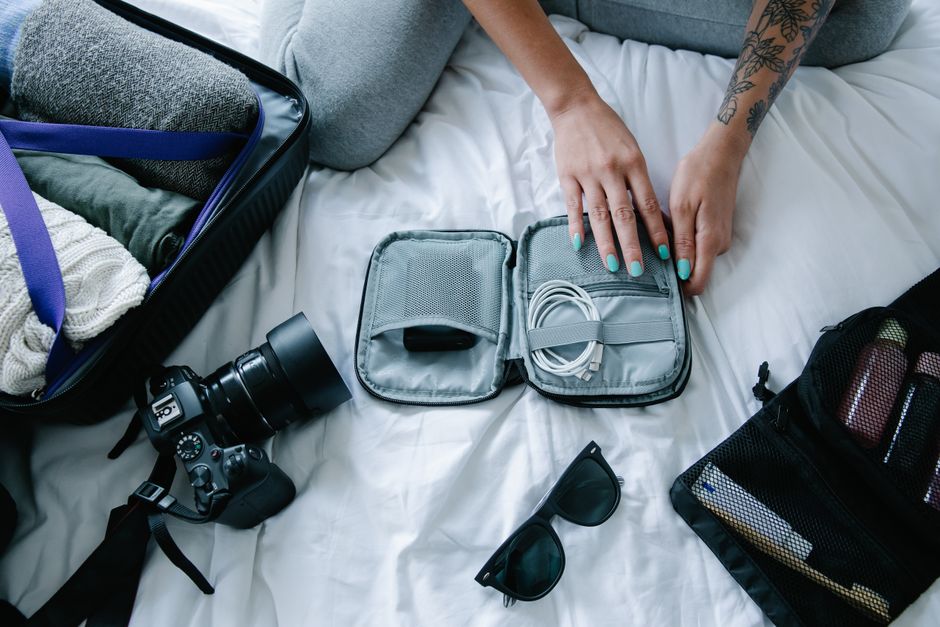
Pack for an eight-day trip by choosing one suitcase that matches your airline's limits, building a small mix-and-match clothing system around your actual itinerary, limiting footwear to roles rather than outfits, and keeping documents, medicines, valuables, and the first day of essentials in your carry-on. The rule is simple: every item needs a job, and duplicate jobs stay home.
What size suitcase should I take for an eight-day trip?
Take the smallest suitcase that holds your planned clothing system and complies with the airline rules for your itinerary. Do not choose a large case just because the trip lasts eight days; empty space invites contingency packing, and contingency packing is where a manageable bag becomes a heavy one.
For a carry-on, the International Air Transport Association says many airlines use a maximum of 56 x 45 x 25 cm (22 x 18 x 10 in), including wheels and handles. That is a reference point, not permission to stop checking. Allowances can vary by airline, cabin class, and aircraft type, and some airlines set carry-on weight limits beginning at 5 kg (11 lb). The U.S. Department of Transportation makes the same operational point: there is no single federal carry-on standard, so verify every flight segment before you pack.
| Trip condition | Best suitcase decision | What to check before leaving |
|---|---|---|
| You want to avoid checking a bag | Use a carry-on within the airline's published allowance. | Size, weight, permitted bag count, and the aircraft serving each segment. |
| You need a checked suitcase | Choose a case you can keep well below the airline limit. | Weight allowance and total dimensions; a common piece-concept maximum is 158 cm (62 linear inches). |
| You are bringing high-stakes items | Put them in the carry-on, not the checked case. | Medicines, passport, keys, critical papers, valuables, and fragile items. |
Use the case-before-clothes check: pull up the airline policy first, then pack into the allowed space. The IATA notes that a checked bag is generally recommended to remain at or below 23 kg (50 lb), while 32 kg (70 lb) is the maximum permitted for a single checked bag in many regions. The Department of Transportation also advises against overpacking checked luggage because excess pressure can cause latches to spring open.
Can I pack for eight days in a carry-on bag?
Yes, you can pack for eight days in a carry-on bag when your activities allow clothing repeats and your airline's size and weight rules leave enough room for the essentials. The constraint is useful: it forces a decision between an item that has a defined role and an item packed for a vague possibility.
Build the bag in this order. First, reserve the most accessible pocket for travel documents, keys, medications, and the items needed immediately after arrival. The Department of Transportation advises putting first-day necessities, toiletries, and one change of underwear in your carry-on because checked bags can be delayed for a day or two. Keep the stakes in sight, not under a pile of clothes.
Second, make toiletries obey the screening rules before they consume suitcase space. The Transportation Security Administration limits carry-on liquids, aerosols, gels, creams, and pastes to containers of 3.4 ounces (100 milliliters) or less, all fitting inside one quart-sized bag. Separate that bag for screening. Larger containers belong in checked baggage unless an exemption applies.
Third, create a health-and-document kit based on the destination, not habit. The Centers for Disease Control and Prevention says what you pack depends on destination-specific health risks. Keep prescriptions in original bottles, and carry copies of prescriptions, insurance information, and travel documents as appropriate. Sunscreen, insect repellent, glasses or contact-lens supplies, and first-aid items belong only when the itinerary calls for them.
The packing move is role stacking: place soft clothing around the suitcase perimeter, use interior gaps for smaller non-liquid items, and keep the items needed at security or during transit near the top. This is not about making the bag look impressive. It is about reducing the number of times you unpack everything to find one object.
How many outfits and pairs of shoes do I need for an eight-day vacation?
You need enough clothing combinations for the activities on your itinerary and footwear for the distinct functions you will actually perform, not a fresh outfit and matching shoe pair for every day. Plan from the calendar backward: travel days, daytime activities, meals, exercise if scheduled, and any event with a genuine dress requirement.
Use the outfit job test. For each garment, state its job in one sentence: “This works for transit and daytime sightseeing,” or “This is for the one formal dinner.” If two garments answer with the same job, keep the one that works with more of the bag. That is a clearer standard than asking whether an item might be useful.
Footwear follows the same rule. Assign shoes by function, such as walking, activity-specific use, or a dress requirement. Do not add a pair merely because it completes a separate outfit. Shoes are bulky, hard to compress, and poor at earning their space when they only solve a styling preference.
Weather is where many bags fail. Replace “pack for every forecast” with “pack a system that can change.” Use clothing that layers together, then choose the weather protection justified by your destination and activities. The CDC Yellow Book says travel health kits should account for itinerary, planned activities, trip duration, available medical care, space, weight, and how the kit will be carried. The same decision logic works for the full suitcase: conditions matter; hypothetical scenarios do not.
Before closing the case, run a final removal pass. Ask, “What problem does this solve that another packed item cannot solve?” If the answer is unclear, remove it. If you need a travel-friendly food option for a long transit day, use this guide to choose a healthier mid-morning snack rather than treating a full extra food supply as a default.
Frequently Asked Questions
How do I pack for different weather without taking a huge suitcase?
Use a layer system instead of packing separate warm- and cool-weather outfits. Start with clothing that works together, then add the outer layer and weather-specific health items your destination calls for. The CDC says packing should reflect destination-specific risks, so check the forecast, planned activities, and destination guidance before adding sunscreen, insect repellent, or other supplies.
Should I plan to do laundry on an eight-day trip?
Plan laundry only if it makes the itinerary easier or lets you reduce the clothing you need to carry. It is not a requirement for an eight-day trip, but it can support a smaller wardrobe built around repeats. Decide before packing: if laundry is not part of the plan, make sure each clothing item can serve more than one scheduled activity.
Run this drill before your next trip: lay out every item, name its job, and remove anything whose job is already covered. Then check the airline policy one more time. That short review prevents the expensive version of overpacking: an oversized carry-on, a surprise checked bag, or a suitcase that makes every transfer harder.