
What Is a 7 day smoothie weight loss diet plan?
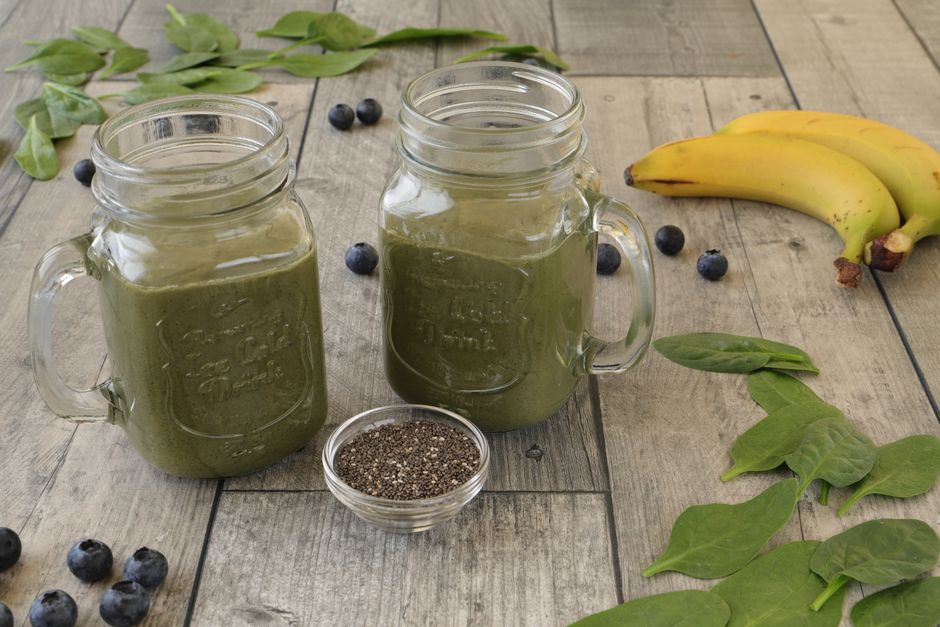
A 7 day smoothie weight loss diet plan works best as a short, structured way to include smoothies alongside balanced solid meals—not as an all-liquid or fruit-only diet. Build smoothies with a protein source and fiber, keep portions deliberate, and use whole foods for the rest of the day. Weight changes vary; the CDC says gradual loss of about 1 to 2 pounds per week is more likely to last.
Will I lose weight if I just drink smoothies for a week?
You may see a change on the scale, but drinking only smoothies for a week does not guarantee lasting weight loss. A scale reading over a short stretch cannot tell you how much change is body fat, water, or other fluctuations.
The CDC says people who lose weight gradually—about 1 to 2 pounds per week—are more likely to keep it off than people who lose weight more quickly. That is a general pace, not a promise for a particular week or diet. The CDC also cautions that unrealistic targets can lead to frustration, and notes that medicines, health conditions, stress, genes, hormones, environment, and age affect weight management.
There is a practical reason not to make every meal liquid. In a randomized crossover study of 34 adults, participants ate less at a later test meal after a solid-fruit preload than after a fruit beverage preload. The small study does not establish long-term weight-loss effects, but it supports keeping whole fruit and solid meals in the routine when fullness matters. The study indexed by PubMed Central provides that comparison.
Can you provide a 7-day smoothie weight loss plan?
Yes. This schedule uses one smoothie meal each day, with solid meals and snacks chosen from vegetables, whole fruit, whole grains, and protein foods. The recipes are practical templates, not prescribed calorie targets; the provided sources do not establish a single ideal smoothie portion or recipe for every adult.
For each smoothie, blend the listed ingredients with enough water or unsweetened milk or soy milk to reach a drinkable texture. Use a cup or bowl portion that fits one meal or snack rather than turning a smoothie into an unlimited drink. The fruit counts below are recipe components, not a daily fruit limit.
| Day | Smoothie recipe | Solid-food pairing |
|---|---|---|
| 1 | 1 cup berries, 1 cup plain yogurt or fortified soy yogurt, 1 tablespoon chia seeds, and water or milk to blend. | Whole-grain toast with eggs or tofu, plus vegetables. |
| 2 | 1 banana, 1 cup unsweetened soy milk, 2 tablespoons peanut butter, and a handful of spinach. | Lentil soup with vegetables and a slice of whole-grain bread. |
| 3 | 1 cup mango, ¾ cup plain yogurt or soy yogurt, ¼ cup rolled oats, and water to blend. | Chickpea and vegetable grain bowl. |
| 4 | 1 pear, 1 cup kefir or unsweetened soy milk, 1 tablespoon ground flaxseed, and a handful of spinach. | Tofu or egg salad with whole-grain crackers and raw vegetables. |
| 5 | 1 cup strawberries, ½ banana, ¾ cup cottage cheese or silken tofu, and water or milk to blend. | Bean-and-vegetable chili with a small serving of whole grain. |
| 6 | 1 small orange, ½ cup pineapple, ¾ cup plain yogurt or soy yogurt, and 1 tablespoon pumpkin seeds. | Edamame or bean salad with vegetables and brown rice. |
| 7 | 1 cup blueberries, 1 cup unsweetened soy milk, ¼ cup oats, and 1 tablespoon nut or seed butter. | Roasted vegetables with lentils, beans, or tofu. |
Build the grocery list from the recipes: berries, bananas, mango, pear, strawberries, orange, pineapple, blueberries, spinach, plain yogurt or soy yogurt, soy milk, kefir or cottage cheese if used, tofu, eggs, chickpeas, lentils, beans, edamame, oats, chia, flax, pumpkin seeds, nut or seed butter, whole-grain bread or crackers, rice, and assorted vegetables. Choose either dairy or plant-based options where the table gives a swap.
For a vegetarian plan, the substitutions are built in: use soy milk, soy yogurt, tofu, beans, peas, lentils, nuts, and seeds. NIDDK includes beans, peas, lentils, nuts, seeds, and soy products among protein foods in a sustainable eating pattern. Its guidance also favors whole fruits over fruit juice, vegetables, and whole grains. NIDDK’s eating and activity guidance provides the foundation for the solid-food pairings.
Use this quick check when blending:
- Protein: add yogurt, soy milk, tofu, cottage cheese, nut butter, or seeds.
- Fiber: keep whole fruit in the recipe and consider oats, chia, flax, or vegetables.
- Portion: measure ingredients and treat the smoothie as one planned meal or snack, not an extra drink alongside a full meal.
A federal clinical guideline table describes a daily fiber range of 20 to 30 grams and notes that fiber may promote satiety at lower calorie and fat intake. That is a broad guideline, not a smoothie-specific target. The NHLBI guideline table in NCBI Bookshelf supports using fiber-rich foods as part of the day rather than expecting one drink to do all the work.
What is the best smoothie to lose belly fat?
No smoothie selectively removes belly fat. The provided sources do not identify a drink or recipe that targets fat loss in one body area.
A useful smoothie is one that fits into an overall eating pattern and helps replace—not add to—less balanced choices. Protein and fiber can make it more substantial, while a measured portion helps keep its role clear. Whole foods still matter: research comparing solid fruit and fruit beverages found a difference in later intake in a small, short-term study, not proof that a particular smoothie causes weight loss.
Nutrition.gov describes a healthy weight-loss program as a realistic goal, a reduced-calorie nutritionally balanced eating plan, regular physical activity, and behavior change. Its page also stresses that calories, portions, and nutrition count. The same basic frame is more useful than searching for a “fat-burning” ingredient. Nutrition.gov’s weight-loss guidance recommends a durable approach rather than a short-term restrictive diet.
Can I lose weight quickly by only eating fruits for 7 days?
Eating only fruit for a week is not the balanced plan described by the provided guidance, and rapid weight loss is not a reliable goal. NIDDK recommends vegetables, whole fruits, whole grains, and protein foods as parts of a sustainable eating pattern; fruit-only eating leaves out those other food groups.
Fruit can be part of a smoothie, but it does not replace the need for protein sources and solid meals. Add beans, lentils, tofu, eggs, dairy, nuts, or seeds across meals, alongside vegetables and whole grains. That mix gives the plan more structure than fruit alone.
Before replacing meals, take a brief self-check. Does the plan allow solid meals? Can you include foods that meet your needs and preferences? Do you have a health condition, take medicines, or have concerns about weight changes? The CDC notes these factors can affect weight management, and Nutrition.gov advises discussing weight loss with a doctor before getting started. Seek individualized medical guidance when a health condition, medication, pregnancy, a history of disordered eating, or persistent hunger or weakness makes a restrictive plan a concern.
On day eight, return to balanced solid meals rather than extending an all-liquid routine. Keep a smoothie for a meal or snack if it suits your day, and build the other meals around vegetables, whole fruit, whole grains, and protein foods. NIDDK says the key is choosing a healthy eating plan you can maintain over time; it also notes that physical activity can help maintain weight loss. Its cited adult activity guidelines call for at least 150 minutes per week of moderate-intensity aerobic activity and muscle-strengthening activity on 2 or more days weekly. Those figures are NIDDK’s cited guidance, not a guarantee of a particular result.
Frequently Asked Questions
How much weight can I realistically lose in one week on a smoothie plan?
There is no guaranteed amount, and a smoothie plan alone does not predict the result. The CDC describes gradual loss of about 1 to 2 pounds per week as more likely to be kept off; a short-term scale change can include water as well as body fat.
What should I eat alongside smoothies so I get enough protein and stay full?
Include solid meals built around vegetables, whole fruit, whole grains, and protein foods such as beans, lentils, eggs, dairy, nuts, seeds, or soy. A small study found a solid-fruit preload reduced intake at the next meal more than fruit in beverage form, supporting the use of whole foods alongside smoothies.
Can I make a vegetarian version of a seven-day smoothie plan?
Yes. Use tofu, soy milk, yogurt, beans, peas, lentils, nuts, or seeds as protein sources, and keep solid vegetarian meals in the plan. NIDDK lists beans, peas, lentils, nuts, seeds, and soy products among protein foods in a sustainable eating pattern.
How do I keep the weight off after the seven days?
Return to balanced solid meals and keep the habits you can sustain instead of extending an all-liquid plan. NIDDK emphasizes a healthy eating pattern that can be maintained over time and says physical activity can help maintain weight loss.
Sources
- Centers for Disease Control and Prevention (CDC)
- National Institute of Diabetes and Digestive and Kidney Diseases (NIDDK)
- U.S. Department of Agriculture, Nutrition.gov
- International Journal of Obesity study indexed by PubMed Central
- National Heart, Lung, and Blood Institute (NHLBI), Clinical Guidelines in NCBI Bookshelf
Disclaimer: This article is for general information only and is not financial advice. It does not take your personal circumstances into account, and past performance does not predict future results. Speak to a licensed financial professional before making money decisions.
You may also like

How Can I Pack for an Eight-Day Trip Without Overpacking?
A practical framework for fitting clothing, toiletries, shoes, documents, and health essentials into one suitcase for an eight-day trip.

Lease, PCP, Hire Purchase or Loan: Match the Car Deal to Your Goal
Compare leasing, PCP, hire purchase, and loans by ownership, mileage, balloon payments, and total commitment.

How Can I Estimate My 2026 Irish State Pension From My PRSI Record?
Estimate a 2026 Irish State Pension using your PRSI statement, paid contributions, credits and HomeCaring Periods.
Refurbished Phone Financing: Find the Real Cost Before You Commit
Compare refurbished phone financing, carrier lock-in, warranties, and all-in costs before choosing a payment plan.