
What Is a 7 Day Meal Prep for Weight Loss?
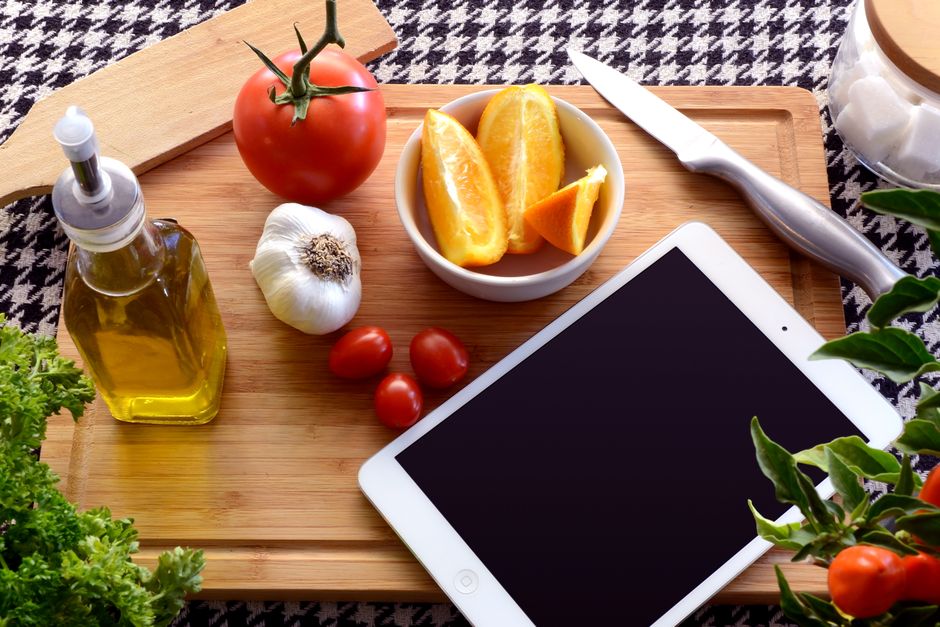
A 7 day meal prep for weight loss pairs vegetables, a protein source, and a filling high-fiber food at meals, with portions adjusted to personal needs. Cook on Sunday, refrigerate meals for the first few days, and freeze later-week portions; USDA food-safety guidance says cooked leftovers keep only 3–4 days in the refrigerator. A Wednesday prep refreshes fresh meals and keeps storage within that window.
What should I eat for seven days to support weight loss?
Eat varied meals built from vegetables, a protein source, and a fiber-rich food such as beans, oats, brown rice, or fruit. The Dietary Guidelines for Americans recommend a nutrient-dense pattern within calorie limits, tailored to personal preferences, cultural traditions, and budget.
Weight loss does not require a single rigid menu. The CDC describes gradual loss of about 1–2 pounds per week as more likely to be maintained than faster loss, and recommends realistic, specific goals. Food choices work alongside activity, sleep, and stress management.
Use this seven-day menu as a mix-and-match framework. Portion sizes are flexible: serve a protein food, fill out the meal with vegetables or fruit, and include a grain, starchy vegetable, or beans. Choose options that fit your appetite, routine, and budget.
| Day | Breakfast | Lunch | Dinner | Snack options |
|---|---|---|---|---|
| Monday | Oats with plain yogurt and berries | Chicken, brown rice, and roasted vegetables | Lentil and vegetable soup with fruit | Apple with peanut butter |
| Tuesday | Eggs with spinach and whole-grain toast | Chicken and bean salad with greens | Tofu, frozen vegetables, and brown rice | Carrots with hummus |
| Wednesday | Overnight oats with fruit | Lentil soup with whole-grain bread | Salmon, potatoes, and broccoli | Plain yogurt and fruit |
| Thursday | Plain yogurt, oats, and berries | Bean and vegetable bowl with rice | Chicken, roasted vegetables, and potatoes | Pear and a handful of nuts |
| Friday | Eggs with vegetables and toast | Salmon or bean salad with greens | Turkey or bean chili with vegetables | Fruit with plain yogurt |
| Saturday | Oatmeal with banana and peanut butter | Leftover chili with greens | Tofu or chicken stir-fry with frozen vegetables | Hummus with vegetables |
| Sunday | Eggs or yogurt with fruit | Leftover grain-and-vegetable bowl | Freshly prepared lentil soup and salad | Fruit or nuts |
Swap chicken for beans, lentils, tofu, eggs, or canned fish to suit vegetarian preferences, cost, and what is already on hand. Frozen vegetables and shelf-stable beans can fill gaps without relying on fresh produce for every meal. On a busy day, combine a pre-cooked grain, canned beans, and frozen vegetables, then add a simple protein such as eggs or yogurt.
Can I meal prep all seven days at once, or should I freeze some meals?
Freeze meals intended for the latter part of the week rather than keeping a full week of cooked food in the refrigerator. FoodSafety.gov says cooked meat and poultry leftovers should be refrigerated for 3–4 days; its storage chart gives soups and stews a 3–4 day refrigerated window and a 2–3 month frozen window.
Set the refrigerator to 40°F (4°C) or below and the freezer to 0°F (-18°C) or below. Divide cooked food into small portions in shallow containers so it cools quickly. FoodSafety.gov advises refrigerating or freezing cooked food within 2 hours, or within 1 hour when the temperature is above 90°F. Hot food can go directly into the refrigerator.
Sunday: Cook grains, roast vegetables, prepare a pot of soup or beans, and cook proteins. Refrigerate portions for Monday through Wednesday. Freeze portions for Thursday and Friday promptly in labeled containers; leave Saturday and Sunday meals for Wednesday’s preparation or plan simple ingredients to cook fresh.
Wednesday: Move a frozen meal to the refrigerator to thaw, then prepare the next set of meals. Refill fresh vegetables and quick-cooking foods, and freeze any portions that will not be eaten within the refrigerator window. Reheat leftovers to at least 165°F; keep hot foods at 140°F or warmer when holding them for serving.
Label containers with the meal and preparation date. This small step makes the plan visible: the oldest refrigerated portions are used first, and frozen portions are easy to identify. Thaw frozen meals in the refrigerator, then reheat thoroughly.
What meals and snacks should I include in a one-week weight-loss prep plan?
Include repeatable meals that share ingredients but do not require identical plates all week. Cook one grain, one or two proteins, and a batch of vegetables; combine them in bowls, salads, soups, or wraps with different seasonings. Repetition reduces prep work, while changing the combination keeps the week from feeling like seven copies of one meal.
For a consolidated grocery list, first check what is already in the pantry, refrigerator, and freezer. USDA MyPlate recommends planning meals and snacks for the week, using leftovers, and combining fresh, frozen, and shelf-stable foods. It also suggests organizing a shopping list by store section and choosing meals that fit the time available for preparation.
- Produce: leafy greens, broccoli, carrots, onions, potatoes, berries, apples, bananas, and other preferred seasonal fruit.
- Proteins: eggs, chicken or turkey, tofu, plain yogurt, lentils, canned beans, hummus, and canned or fresh fish.
- Grains and other staples: oats, brown rice, whole-grain bread, canned tomatoes, peanut butter, and seasonings.
- Convenience choices: frozen vegetables and fruit, which can cover meals when fresh options run short.
Keep the list tied to the menu. If a recipe uses half a bag of greens, plan another lunch around the rest. If a meal is likely to be skipped because of a workday, do not prep a perishable serving for it; choose a shelf-stable or freezer option instead.
How much protein and fiber should each meal have to help me stay full?
There is no single protein or fiber amount for every meal; daily needs depend on factors such as body size, age, activity, and health. The Dietary Guidelines list adult protein recommended dietary allowances that generally differ by sex—46 grams per day for women and 56 grams for men—with age-specific differences. StatPearls in the National Library of Medicine also gives the adult protein RDA as 0.8 grams per kilogram of body weight per day and notes that individual needs vary.
Use protein foods across the day instead of trying to fit the full daily amount into one meal. Eggs, yogurt, poultry, fish, tofu, lentils, and beans offer options for different budgets and eating patterns. A clinician or dietitian can help adapt protein targets for health conditions or individual needs.
For fiber, the Dietary Guidelines use a basis of 14 grams per 1,000 calories; the table lists 28 grams at 2,000 calories per day. StatPearls notes fiber supports satiety and gastrointestinal function. Beans, lentils, oats, vegetables, fruit, and whole grains make it easier to include fiber-rich choices across meals.
Think in combinations rather than exact meal quotas: add beans to a grain bowl, vegetables to eggs, or fruit to yogurt and oats. The plan stays flexible while each meal has a source of protein and at least one fiber-rich food.
Frequently Asked Questions
How do I make a seven-day meal-prep grocery list without buying too much?
Check your pantry, refrigerator, and freezer first, then write down the week’s meals and snacks before shopping. Buy overlapping ingredients, plan to use leftovers, and use fresh foods earlier in the week. Mix fresh items with frozen and shelf-stable choices to reduce waste.
How long do prepped meals last in the refrigerator, and which ones should I freeze?
FoodSafety.gov says cooked meat and poultry leftovers keep 3–4 days refrigerated, and its chart gives the same refrigerator window for soups and stews. Freeze portions intended for later in the week; the chart lists soups and stews as lasting 2–3 months frozen. Keep the refrigerator at 40°F or below and reheat leftovers to at least 165°F.
Can I adjust the portions for my calorie needs without using an extreme diet?
Yes. Use a balanced mix of protein foods, vegetables, and fiber-rich foods, then adjust serving sizes to your needs rather than following an extreme restriction. The Dietary Guidelines recommend nutrient-dense foods within calorie limits and tailoring choices to preferences, culture, and budget. Gradual weight loss is more likely to be maintained than faster loss, according to the CDC.
Sources
- FoodSafety.gov, Cold Food Storage Charts
- FoodSafety.gov, Game Day Food Safety Tips
- Centers for Disease Control and Prevention, Losing Weight
- U.S. Department of Agriculture and U.S. Department of Health and Human Services, Dietary Guidelines for Americans, 2020–2025
- National Library of Medicine, StatPearls
- USDA MyPlate, Make a Plan
You may also like
What Is a 7 day smoothie weight loss diet plan?
A 7 day smoothie weight loss diet plan works best with balanced solid meals, protein, fiber, and realistic expectations.
How Can I Pack for an Eight-Day Trip Without Overpacking?
A practical framework for fitting clothing, toiletries, shoes, documents, and health essentials into one suitcase for an eight-day trip.

How Do I Price a Used Phone From Recent Sold Listings?
Price a used phone from comparable sold listings, with clear adjustments for condition, battery health, carrier lock, and timing.

Liquidation Speakers: Find a Real Deal, Avoid a Costly Unknown
Learn how to verify speaker condition, warranty, returns, and total cost before buying liquidation inventory.